As you sit in you cell, or play chess in the dayroom, do you ever wish that there were more programs in your prison? Something that you could get involved in and look forward to each week? Most of us want something like that to break up the monotony that is prison life.
A program called Rehabilitation Through the Arts (RTA) was founded in 1996 at Sing Sing Correctional Facility in Ossining, NY by Katherine Vockins and a group of prisoners. It’s mission is to help the incarcerated grow through art, and be able to use their usually hidden emotions and trauma as an asset when acting. One of the founding members of RTA was a man named John Whitfield, known on mainline as “Divine G”, who was wrongfully convicted of murder. He provided leadership and material as a playwright and author. The group was instructed by Brent Buell, a playwright and theater director, who would lead improve sessions, acting workshops and play rehearsals. After RTA was written about in Esquire Magazine, he received interest from producers who wanted to transform this story to fit the big screen. Dealing with multiple inquiries made Buell hesitant and leery, but when Greg Kwedar (director and co-writer) and Clint Bently (co-writer) expressed interest, Buell says, “They were so humble and wanted to really get to know the men and become part of the family”, which made it easy for him to get excited about the project.
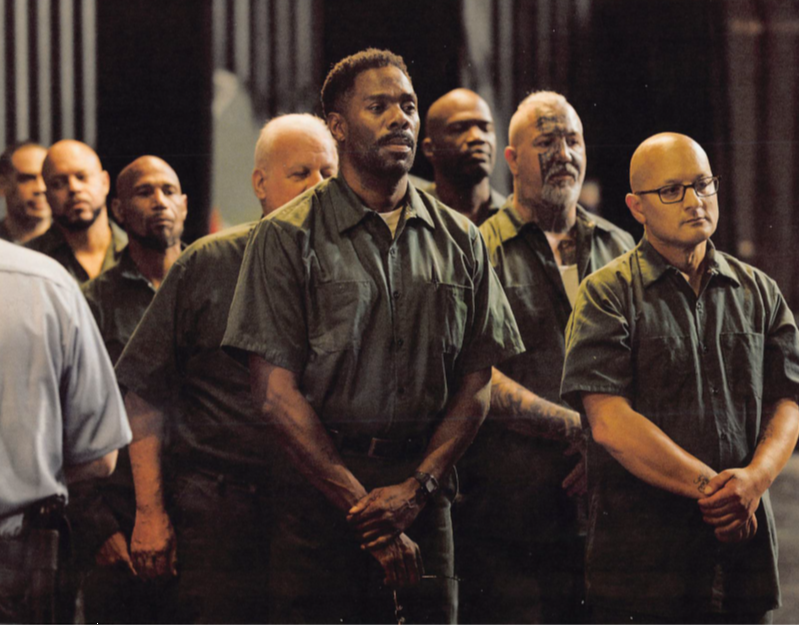
The project was a film called “Sing Sing”, featuring two Oscar nominated actors, in Colman Domingo (plays John Whitfield) and Paul Raci (plays Brent Buell), and an ensemble of actors who served time at the very prison the film is named after, and who were also involved in RTA while incarcerated.
It is an emotional drama that highlights creativity, while showing a rarely seen side of incarceration; healing, transforming, and overcoming their past in a way that shows potential for redemption.
The film follows Whitfield, as he and other prisoners set up and prepare to put on a play in their high-security prison. Domingo says “This isn’t a prison film.” He continues “The container is a prison, but it’s about the people inside…people making art and breakthroughs in their life.”
But it is also a story about friendship, struggle and eventual freedom. Whitfield takes a chance on a prisoner by the name of Clarence “Divine Eye” Maclin (who plays himself in the film). Whitfield wants to give him a shot, while other RTA members are hesitant, and for good reason. Maclin is all the way in the mix, selling drugs on the yard, scamming youngsters and carrying a shank, but there is a hidden strength and untapped potential that his peer sees under his aggressive exterior. These two “Divines” are brothers in the system who use the word “Beloved” when referring to each other instead of the word “Nigga”. Whitfield surprisingly checks the bullying Maclin on this during an intense, yet real debate about him jeopardizing the whole RTA program by him consistently carrying a knife. Whitfield says, “I wanted to focus on the guys who were the most problematic”, when speaking about who he recruited for RTA. He continues “I believe that the program was designed primarily for guys who were really, really struggling.” He wanted to pull Maclin out of the hustle and introduce him to something positive. Maclin ends up fully reciprocating at times when Whitfield needed it most. Domingo puts it like this, “he was “the kind of friend who comes in and reveals parts of yourself that you didn’t know needed loving.” While Whitfield was always busy helping others, he didn’t know how to ask for help himself when he needed it.
Eventually, Maclin embraced RTA and fully appreciated being involved with the group. He says it “felt like I was escaping prison every time I got a chance to see the world through somebody else’s eyes”, even though it was a challenge for him at first. He has called RTA his sanctuary and credits the art of acting for his awakening and growth in becoming someone different than the man he was when he started his sentence. He transformed from highly aggressive to a remarkably confident artist and compassionate friend.
It’s interesting that much of the filming was done at the decommissioned Downstate Correction Facility in Fishkill, NY, where Maclin, Whitfield, and many others in the film were first processed when entering the New York prison system. Maclin states that he wasn’t excited about returning to prison, even as an actor. “Not even a dog wants to go back in the cage”, he says, but “the message that we’re really trying to get out is that there’s human people inside of this prison…there’s a more human quality to individuals who you might call cast offs.” This was put into practice with an unusual and unique pay scale for those in this film. Everyone was paid the same.
RTA has provided many prisoners with a platform to reconnect with, or get to unleash a side of themselves that was eradicated by the streets. Raci says, “One of the men that actually lived the experience in prison told me, ‘you know, if I had just met this acting teacher or this program before I did what I did to end up in Sing Sing, I wouldn’t be here…this program changes lives”, which it does. RTA programs are now offered at eight prisons in New York. The national recidivism rate in the U.S. is 43% of those released will be rearrested within a year. Compare that to only 3% of RTA alumni, which proves that this program is helping people.
One interesting critique of the film, by Justin Chang of The New Yorker was, “I wouldn’t have minded a few messier collisions, or a deeper engagement with some of the Divine’s fellow actors. We never learn much about their backgrounds.” This criticism, in my opinion (as a prisoner myself), actually speaks to the authenticity of the film and a lack of Hollywood influence. The film is primarily from Whitfield’s perspective, so you see the characters that he was closest to. One prisoner said, “In here, you can have many friends, but that doesn’t mean that you will share all of yourself with all of your friends.”
“Sing Sing” offers its viewers an exclusive look at another side of incarceration. A more human side. One that the media rarely displays, but should show more often.
Clarence “Divine Eye” Maclin and John “Divine G” Whitfield were both released in 2012. Whitfield penned multiple novels while incarcerated. Three of them were published. Maclin now works with at-risk youth, hoping to deter them from making the same mistakes he did.